Blog
Notes from the work
Case studies from real projects, and what building with AI every day taught me.
From real projects
Case studies

Piktechs, from a Two-Week Prototype to a Production SaaS with Claude Code
How I took a two-week prototype to a production B2B SaaS as the only engineer: multi-tenant workspaces, live billing, mobile apps and an AI feature, with Claude Code as the main engineering environment. The workflow, the mistakes, the lessons.
Read the case study
jev-check, Browser-Agent QA Where the Database Gives the Verdict
Unit tests and mocked end-to-end suites miss the bugs where the deployed front, the backend and the permissions disagree. I built a browser-agent harness that signs in as a real account state and lets the database decide, then open-sourced it as an agent skill.
Read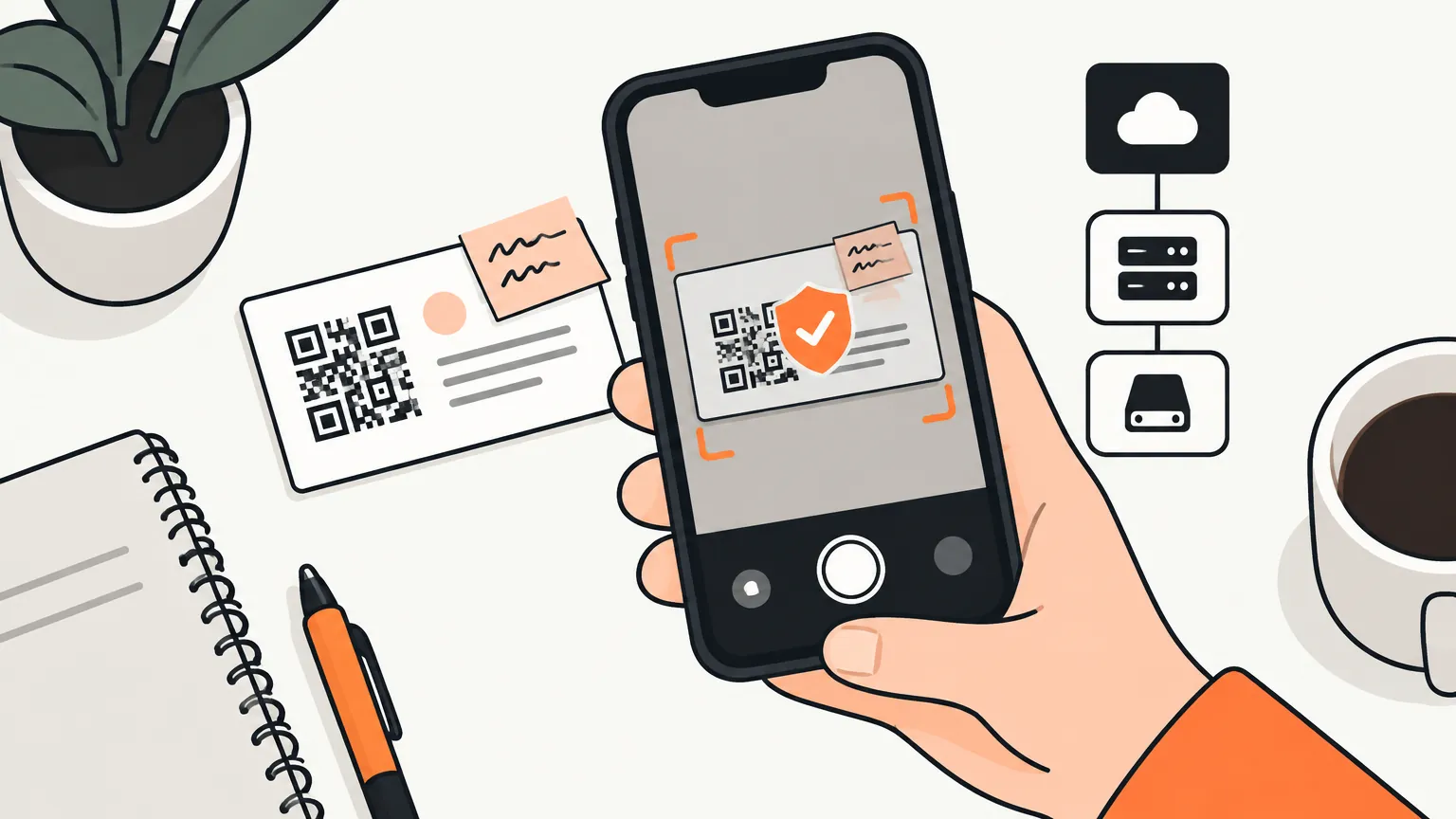
Choosing an LLM Fallback by Attacking It
The Piktechs business-card scanner reads a stranger's card with a vision model. How I picked its fallback by testing prompt injection instead of price, and the guard rails that make a paid LLM endpoint safe to expose.
ReadWriting
Articles
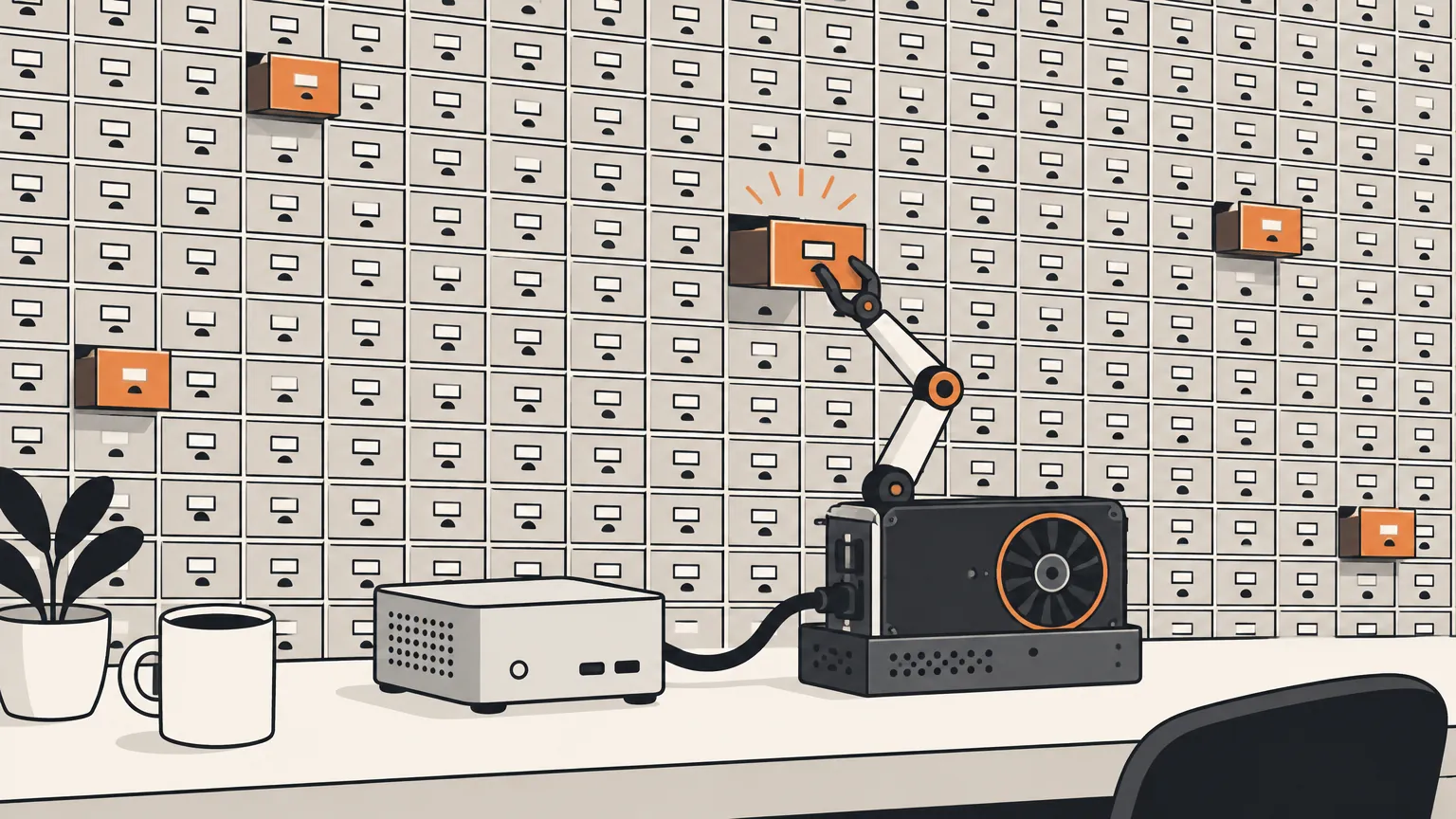
A 180B Model in a Shoebox: Local Inference on a Mini PC and an 8 GB Card
Qwen3.8-Flash-Next, 180B parameters, running with Strata on a mini PC and an RTX 3060 Ti 8 GB over OCuLink: about 390 tokens per second reading, 55 writing. The numbers, and how they got there.

Lazy by Design: How I Make My Computers Work While I'm Away
My engineering philosophy fits in one sentence: if I do something twice, a machine does it the third time. How that turns into autonomous agent runs, scheduled jobs and single sources of truth, and what it takes for an agent to work safely while nobody is watching.
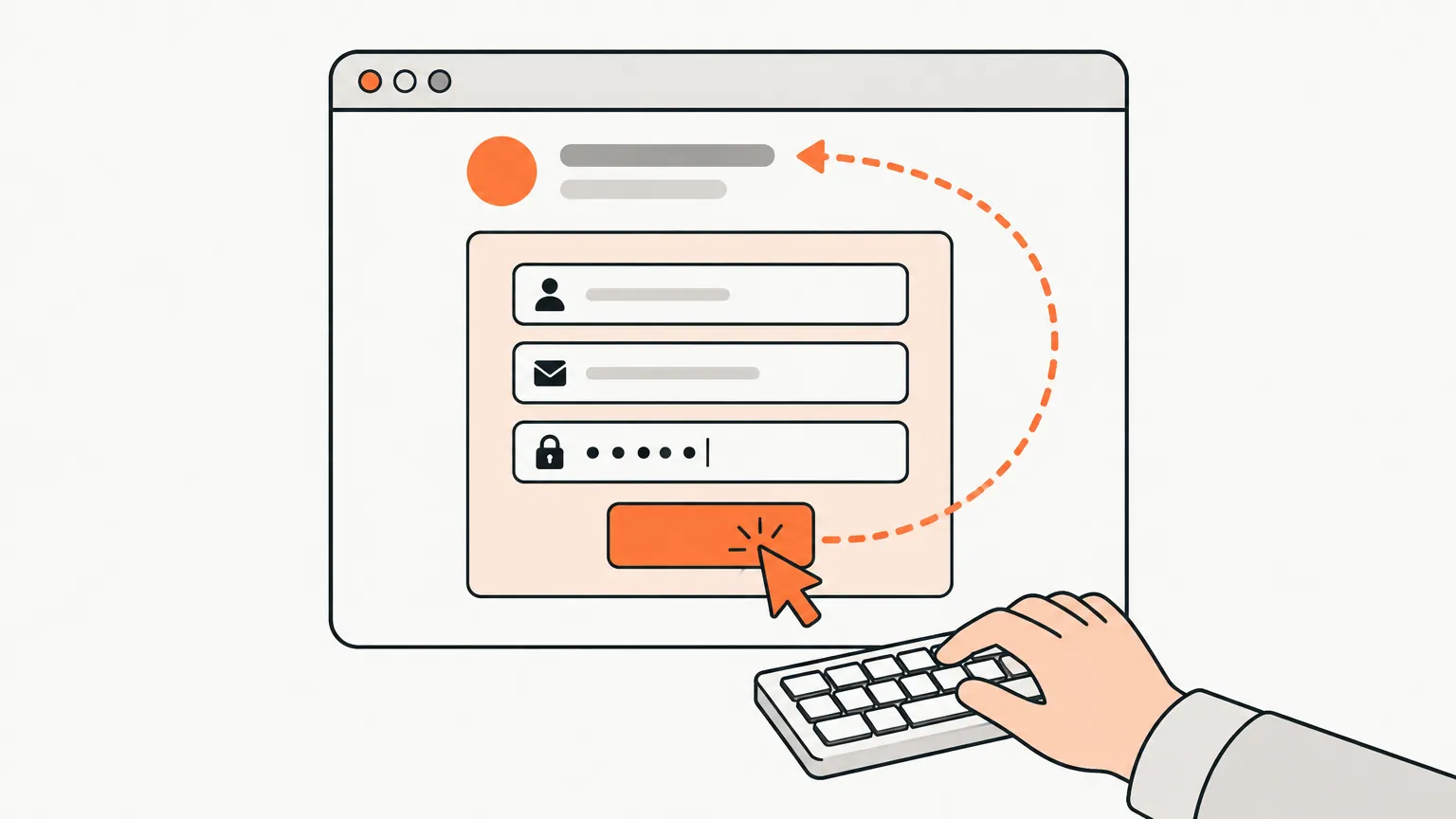
Browser Agents at Work: What Running jev Every Day Taught Me
I use a browser agent daily: to QA my own SaaS as real account states, to work inside web consoles that have no API, and to hand me the keyboard only when a password is needed. The use cases, the architecture, and the gotchas nobody tells you.
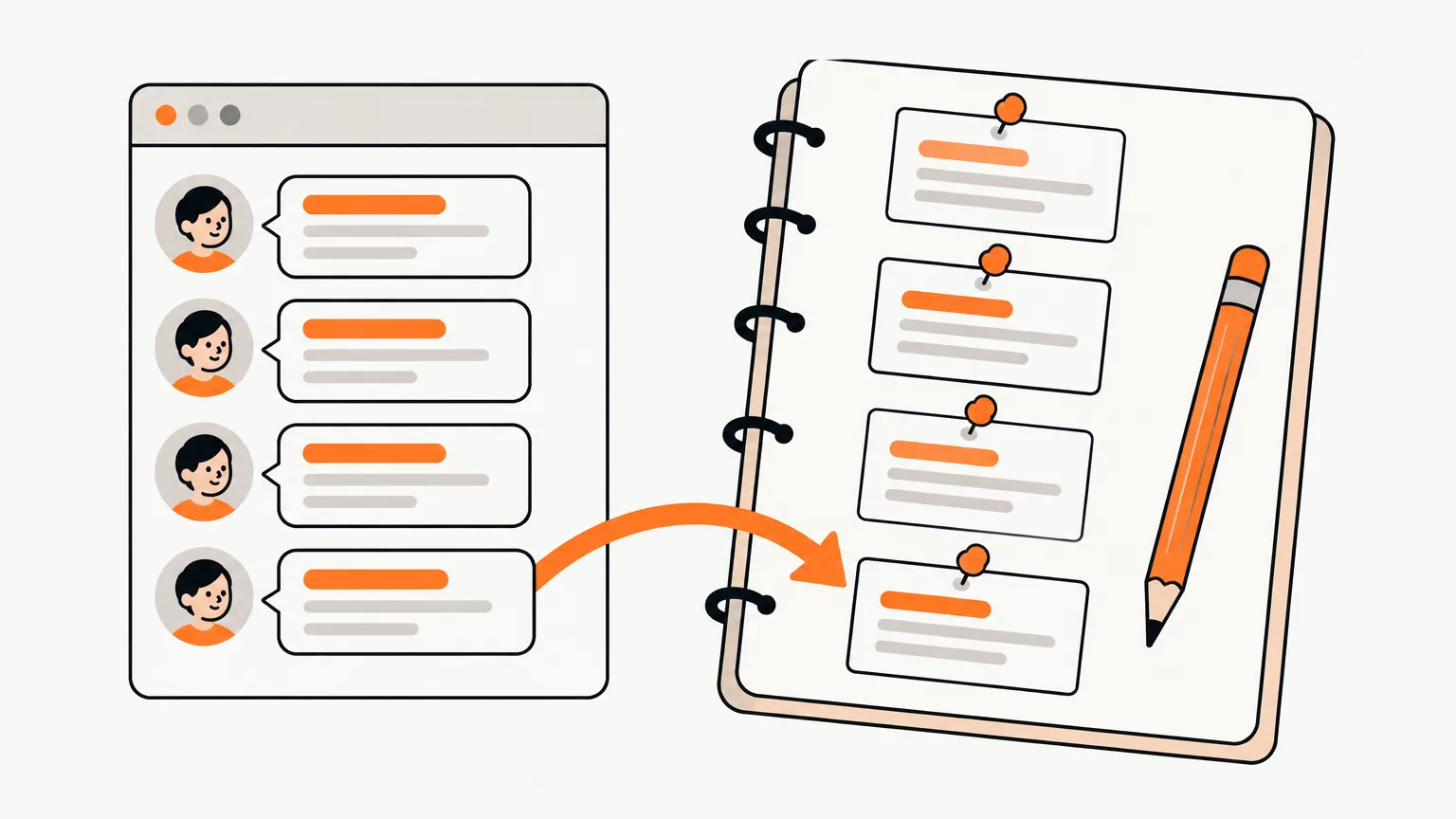
What I Kept Telling Claude: Four Months of My Own Corrections
Four months, two machines, about 4,000 prompts. The same few corrections came back in every project. What they were, why writing them down was not enough, and where each fix actually belongs.

How I Built PDFold Solo: a Self-Improving AI Workspace, Tests, and Boring Infra
The actual setup behind PDFold: a Claude workspace with a feedback loop on every prompt, tests that grew with the code, and a multi-pass OCR pipeline on Gemini with OpenRouter as fallback.
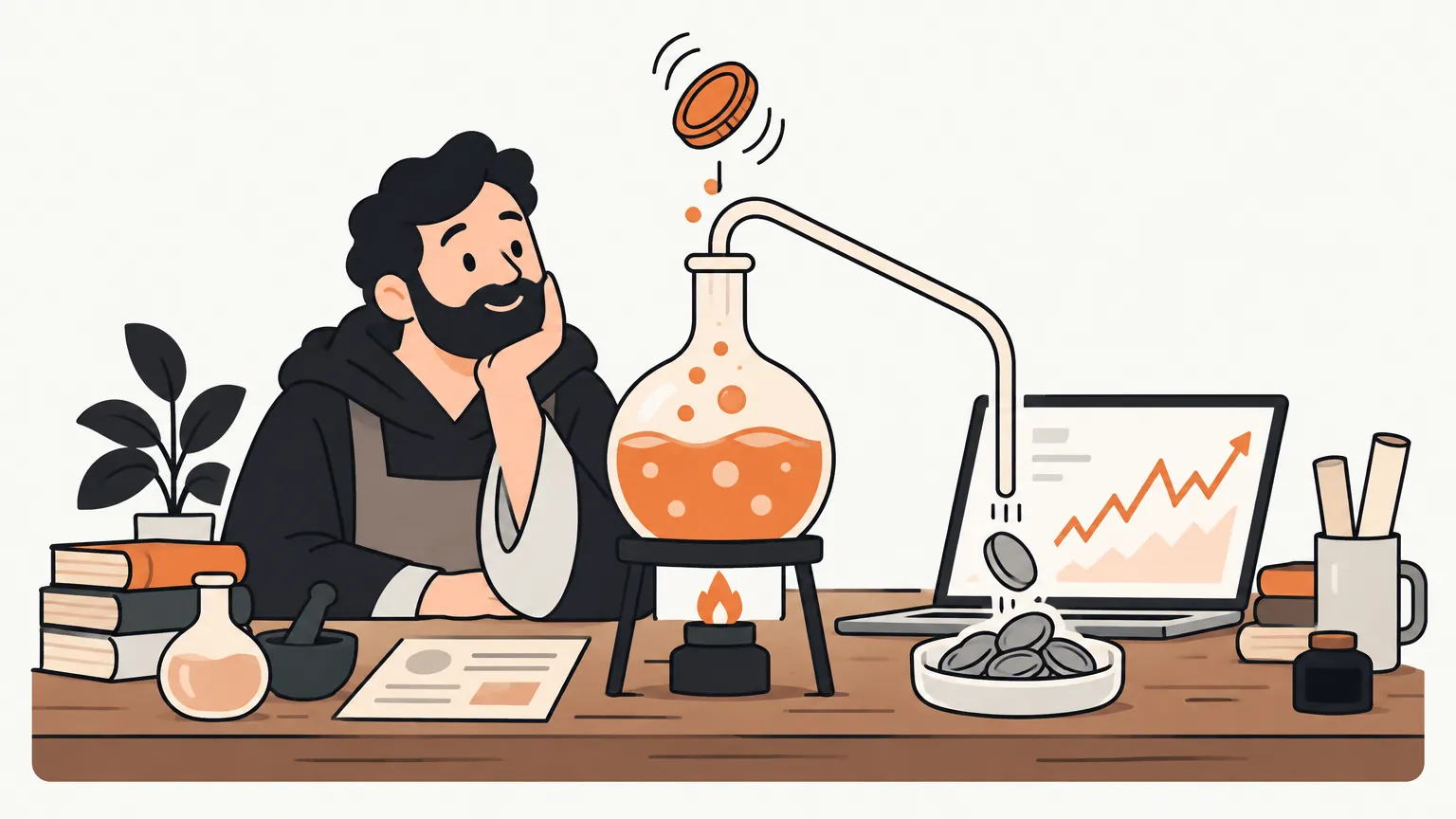
The Great Work: I Tried to Turn Bitcoin Coin Flips into Gold
I named my trading bots after mystics and alchemists, pointed them at Polymarket's five-minute Bitcoin markets, and spent June watching every edge turn back into lead. A field report on the efficient market, in five alchemical stages.
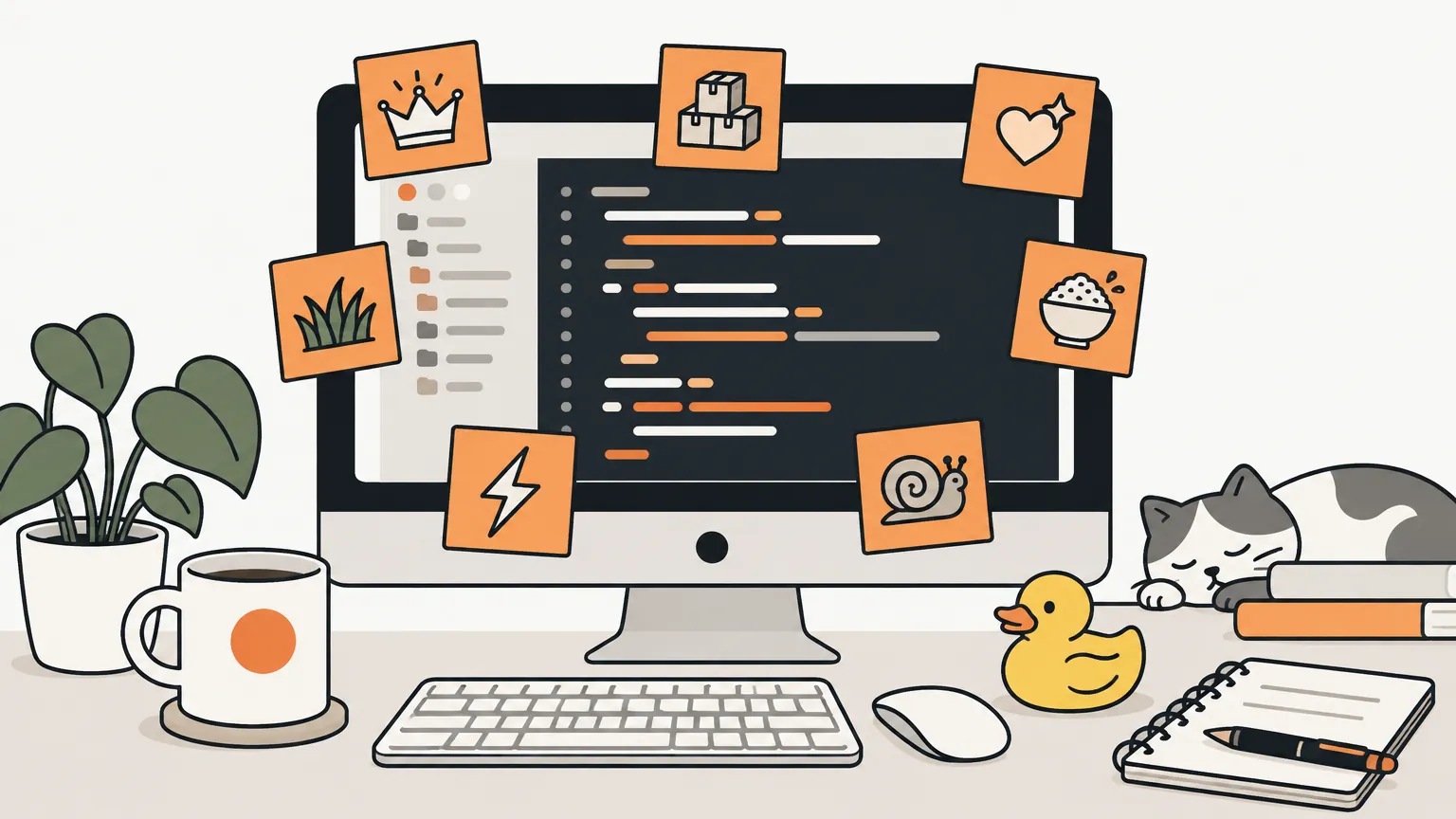
The Seven Deadly Sins of Software Development
Pride, Sloth, Greed: turns out medieval theologians were describing your codebase all along.

The Five Stages of AI Grief: A Developer's Obituary
Denial, anger, bargaining, depression, acceptance. Kübler-Ross described the death of loved ones. Developers used it to describe a GitHub Copilot subscription.